
Ice is a purified crystalline form of methamphetamine that is also known as crystal meth. It can be manufactured using cold medicine and chemicals like battery acid, antifreeze, or drain cleaner. Ice is a central nervous system stimulant that can rapidly lead to dependence and addiction. Among the most common signs that someone is using ice are irritability, problems sleeping, tooth decay, and weight loss. A few of the symptoms of ice abuse are kidney damage, heart attacks, depression, anxiety, and intense cravings.
It can be difficult to determine if someone is using ice if you don’t know what to look for. Commonly referred to as crystal, crank, shards, glass, Tina, or crystal meth, ice has become a serious problem across the globe. Ice abuse can lead to psychological issues, co-occurring disorders, and other problems in a person’s life.
A lot of people using ice don’t know who to turn to when they want to stop, or where to go for help for that matter. If you suspect someone is using crystal meth or ice, or if you yourself are using crystal meth—don’t give up hope. There are a lot of people who want to help.

What Is Ice?
Ice first showed up in the 1980s and has since become popular in the United States, Europe, Mexico, and other countries throughout the world. Ice is a central nervous system stimulant that can be smoked, diluted and intravenously injected, or ground into a powder and snorted. Ice is a purified crystalline form of methamphetamine and looks like a fragment of glass. The color of the drug can be clear, gray, brown, yellow, orange, or pink; depending on the ingredients.
How Is Ice Made?
Crystal meth is characteristic of large cities, but drug trafficking brings it to rural areas as well. Make no mistake, ice isn’t only manufactured in cities or other heavily populated regions; it can be produced in what are known as meth labs. These labs can be anything from a shed, van, or even a tent in the woods. To make ice, a person cooks up ingredients like pseudoephedrine (cold medicine), battery acid, antifreeze, or drain cleaner.
Unfortunately, those preparing the drugs are often using them as well, so this can rapidly become a dangerous situation. Not only to society but also to the environment. Meth labs create a lot of toxic waste which isn’t likely disposed of in an environmentally friendly manner. Not only that, the accidental explosions meth labs can cause are often detrimental to anyone nearby.
Understanding Ice Abuse
Methamphetamine is similar to amphetamine, which is used in medicine to and treat attention deficit hyperactivity disorder by stimulating the part of the brain and nerves that control impulsive behaviors. The Drug Enforcement Administration has categorized methamphetamine as a Schedule II drug because of its high potential for abuse. Ice is among the most potent and addictive drugs on in the world. Abusing it can lead to serious psychological addiction and fast; it can have a person hooked after just one use.

It’s true, crystal meth is a dangerous, addictive, and often deadly. Those who become addicted to meth might not be able to control the amount of the drug they’re using, because so frequently an addiction starts with an obsession and leads to compulsive use of a drug. So why do people use the drug? “Methamphetamine increases the amount of dopamine in the brain, which is involved in body movement, motivation, pleasure, and reward” (National Institute on Drug Abuse).
No matter how you look at it, it’s important to remember that the people suffering from addiction weren’t always that way—they’re still our neighbors, brothers, mothers, teachers, friends, and citizens who happen to suffer from a chronic disease. They’re people who need as much love and support as they can get.
Signs Someone Is Using Ice
Some people abusing ice may wind up in a binge and have hallucinations, become extremely antisocial, or even seem like there’s no hope for a cure. Even though addiction is a defined as a chronic disease, there’s always hope for recovery. If you aren’t sure if someone is abusing ice, here are some of the signs to look for:
- Weight loss as a result of decreased appetite
- Decaying teeth or Meth Mouth
- Irritability and violent behavior
- Problems sleeping
- Trouble remembering
- Serious emotional issues
- Hyperactivity
- Psychotic episodes
- Paranoia
- Confusion
- Hallucinations
- Meth Mites or belief that there are microscopic parasites under the skin

Long-Term Effects And Symptoms Of Ice Abuse
If use of crystal meth persists, the drug can cause symptoms beyond the signs and short-term effects; some of which aren’t treatable. Ice abuse can lead to:
- Intense Cravings
- Fatigue
- Anxiety
- Depression
- Stroke
- Kidney Damage
- Psychotic Behavior
- Psychosis
- Faster Breathing
- Increased Blood Pressure
- Irregular Heart Rate
- Heart Attack
- Withdrawal Symptoms
- Overdose
- Death
When a person becomes physically dependent on crystal meth, they’re likely to experience withdrawals when they stop using, or run out of the drug. These symptoms are both mentally and physically draining and can be quite painful. Some of the withdrawals embody the long-term effects of crystal meth, and “can include anxiety, fatigue, severe depression, psychosis, and intense drug cravings” (NIDA).
Is There Treatment For Ice Addiction And Dependence?
There a lot people who are addicted to crystal meth, and some of them never make it to treatment. That doesn’t mean they wouldn’t try if given the chance. It’s possible that some of them (or a lot of them) never ask for help due to fear of rejection, or because of the guilt and shame they feel. And there’s a huge scope of crystal meth abuse in the United States.
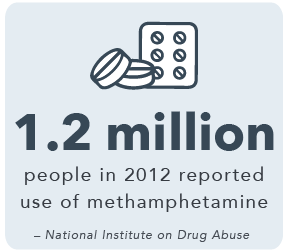
According to NIDA, in 2012 “approximately 1.2 million people reported using methamphetamine in the past year.” Not all of these people ever overdosed or developed an addiction, for that matter. Some of them didn’t need rehab to quit, but a lot of them did—sometimes it’s just a safer route to go.
With the right inpatient treatment there’s hope for a full recovery and drug-free life. Choosing to go to rehab can save your life, or the life of a person you care about; and there’s a treatment program that suits nearly everybody.
Behavioral Therapies For Substance Use Disorders
Behavioral therapies are some of the most effective methods for treating an addiction to ice. Furthermore, people come from all kinds of different backgrounds, so an individualized treatment tends to be the most effective—and there really isn’t a one size fits all method for treating addiction. The most commonly employed methods for treating a crystal meth addiction are cognitive behavioral therapy, dialectical behavioral therapy, and contingency management.
Cognitive behavioral therapy can prevent relapse by helping a patient to recognize unhealthy behavior patterns, and situations that would normally evoke a desire to use drugs. Dialectical behavior therapy helps a patient learn to change behaviors by teaching acceptance skills through mindfulness and distress management, and change skills through emotion regulation and interpersonal effectiveness. Contingency-management uses a system of rewards and motivational incentives to teach a person healthy behaviors for a substance free life.
Is There A Rehab Center That’s Right For Me?
If you would like to learn more about an ice addiction, Contact DrugRehab.org at 1-833-473-4227 to confidentially speak to someone who understands crystal meth addiction, and can help find a treatment that meets your needs.

For More Information Related to “Signs and Symptoms of ICE Use and Abuse” Be Sure To Check Out These Additional Resources From DrugRehab.org:
- How Long Does Methamphetamine Stay In Your System
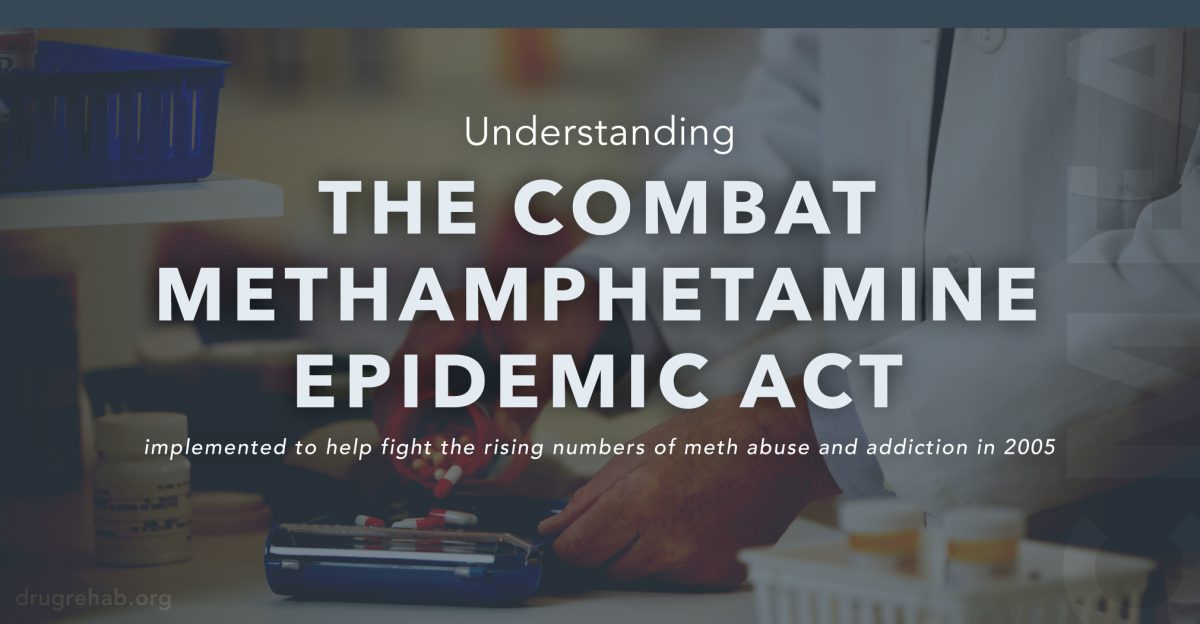
- Understanding The Combat Methamphetamine Act
- Common Street Names For Illegal Drugs
- Methamphetamine Overdose Treatment
- Common Street Names For Illegal Drugs
Sources
National Institute on Drug Abuse – What is the scope of Methamphetamine abuse in the United States?
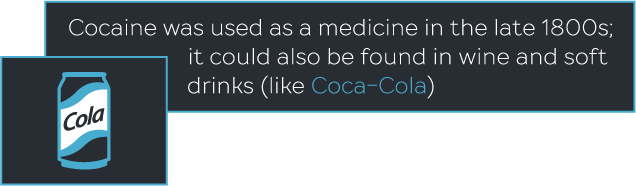
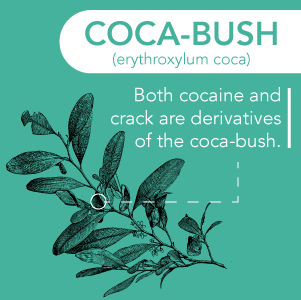 Since then the coca plant has grown in popularity among the rest of the world, especially since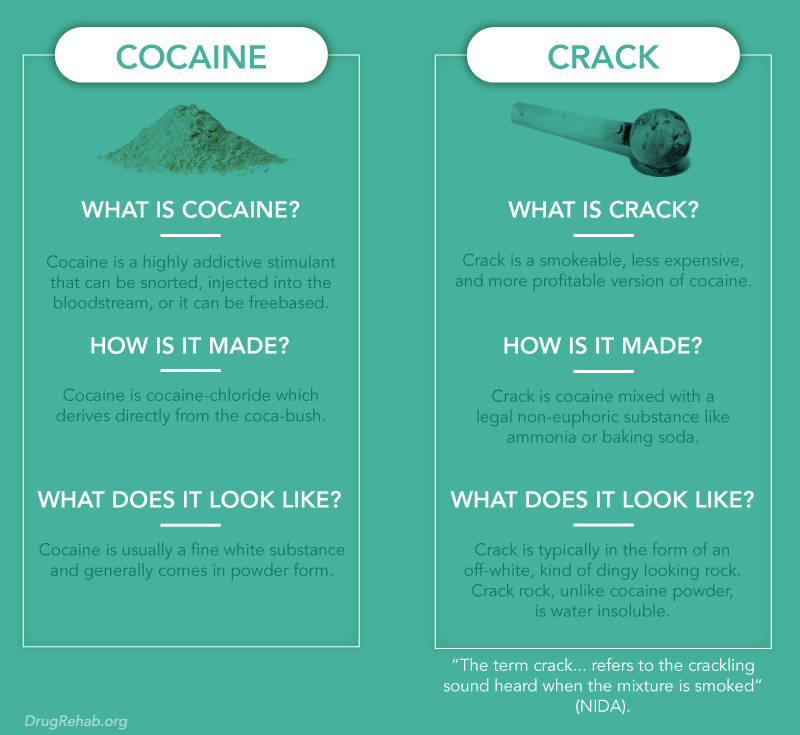

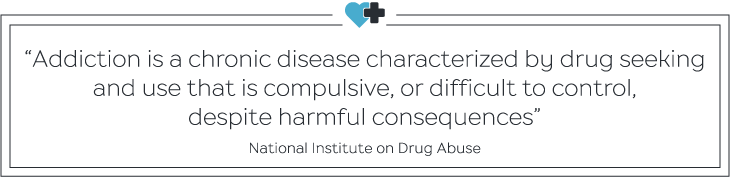
 The FDA sums it up perfectly, “abuse is characterized by misuse of the drug for nonmedical purposes, often in combination with other psychoactive substances. Physical dependence is a state of adaptation that is manifested by a specific withdrawal syndrome that can be produced by abrupt cessation, rapid dose reduction, decreasing blood level of the drug and/or administration of an antagonist…Tolerance is a state of adaptation in which exposure to a drug induces changes that result in a diminution of one or more of the drug’s effects over time.”
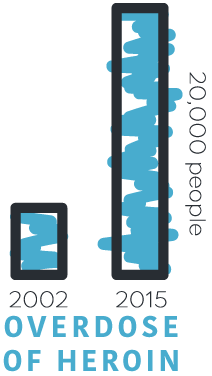
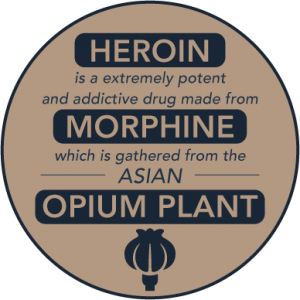
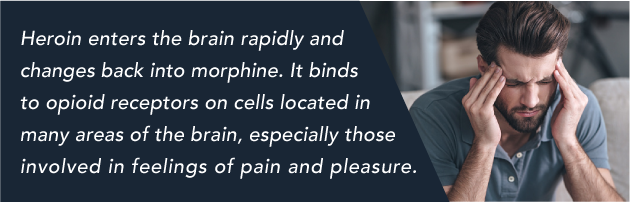
 Heroin is one of the most addictive illicit drugs known to man. Heroin is derived from morphine, a naturally occurring drug synthesized from the opium poppy. It is found in one of two ways, either as a white or slightly brown powder or in black tar form. When a person uses heroin, the drug causes an excess of dopamine to build up in the brain. The overabundance of this chemical causes the pleasurable rush and euphoric state that heroin abusers seek.

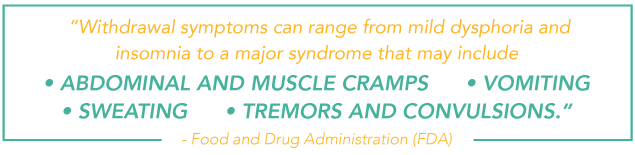
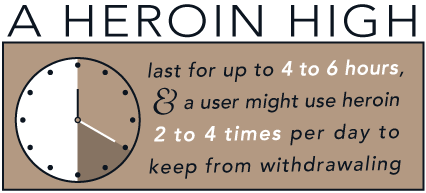
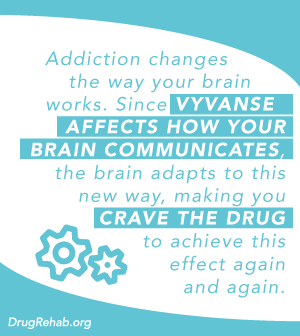 Eventually, you may not feel the effects at all. If you stop taking the drug, or can’t get it for some reason, you may experience withdrawal. Some
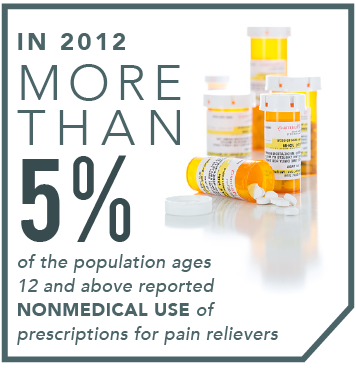
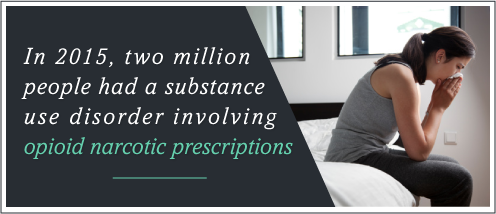
 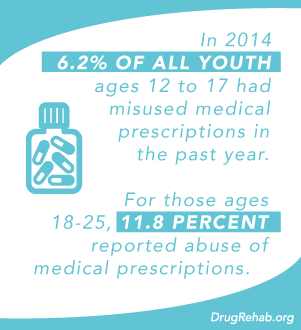 Unfortunately, this isn’t always true, especially when use of a drug turns to abuse. For example, in 2014 6.2 percent of all youth ages 12 to 17 had misused medical prescriptions in the past year. For those ages 18-25, 11.8 percent reported abuse of medical prescriptions.



 There are a lot of different contributing factors leading to an addiction; these can be community, family, school, and friends (peers). Though not everyone who experiments with drugs becomes addicted, approximately
  Teens will be exposed to drugs and alcohol, whether they’re the one using them or not. If they aren’t, it will be someone they know of who is using the drug. Scientists from the
  A person’s community can play a major role in their subjection to alcohol and drug addiction. “If a…community has favorable attitudes toward drug use, firearms and crime, their risk is increased.” (Genetic Science Learning Center) Most teens have a seemingly “cooler” neighbor whom they look up to or want to be like.. Teens are impressionable, and if they see this person they look up to smoking cigarettes, using drugs, or drinking, they might think that this is how to be cool.
 “The single biggest contributing factor to drug abuse risk is having friends who engage in the problem behavior.” (Genetic Science Learning Center) So how do we pick and choose friends, or try to encourage our friends not to use drugs and alcohol? Everybody is going to come across peer pressure in their life–it’s just part of being human–and it will likely always be that way.
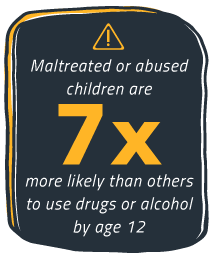
 An adolescent’s first exposure to drug and alcohol use often takes place in the home–this usually depends on parenting practices and general home life. These risk factors are broken down into several categories, but two common understandings of child upbringing (as related to drug and alcohol use) are maltreatment and traumatic events. Parenting practices can play a significant role in substance use disorders and addiction. Sometimes, if a mom or dad is never around to see the sometimes obvious signs of drug and alcohol use, or neglect to educate their children–those same children can be at risk.
 Teen may be at risk for substance use and addiction when they miss out on extracurricular activities, or or when they lack some of the social structure that comes from good grades and commitment. People strive to fit in with whomever they surround them self with, these school mates might be involved in drugs (and who knows? Maybe there is an opportunity to help them out of it.), but when such an adolescent is surrounded by others who strive to do great things, they too will seek self-improvement and success.
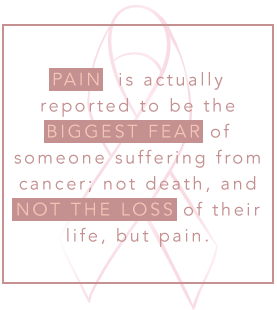 Fighting cancer can be a pretty scary business, and the pain it causes can be unbearable; someone who is suffering a terminal illness like cancer is likely to be in unimaginable pain. Pain is actually reported to be the biggest fear of someone suffering from cancer; not death, and not the loss of their life, but pain. For a person suffering with an often incurable condition, sometimes the only thing medical professionals can do is give them painkillers and anxiety medication to help them feel comfortable.
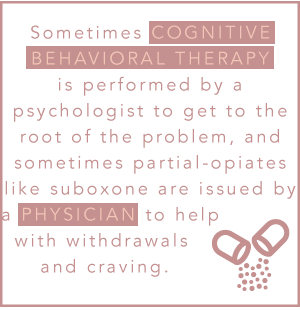 The medical fraternity has come a long way in treating an addiction. Sometimes